✅ What is Activated Carbon
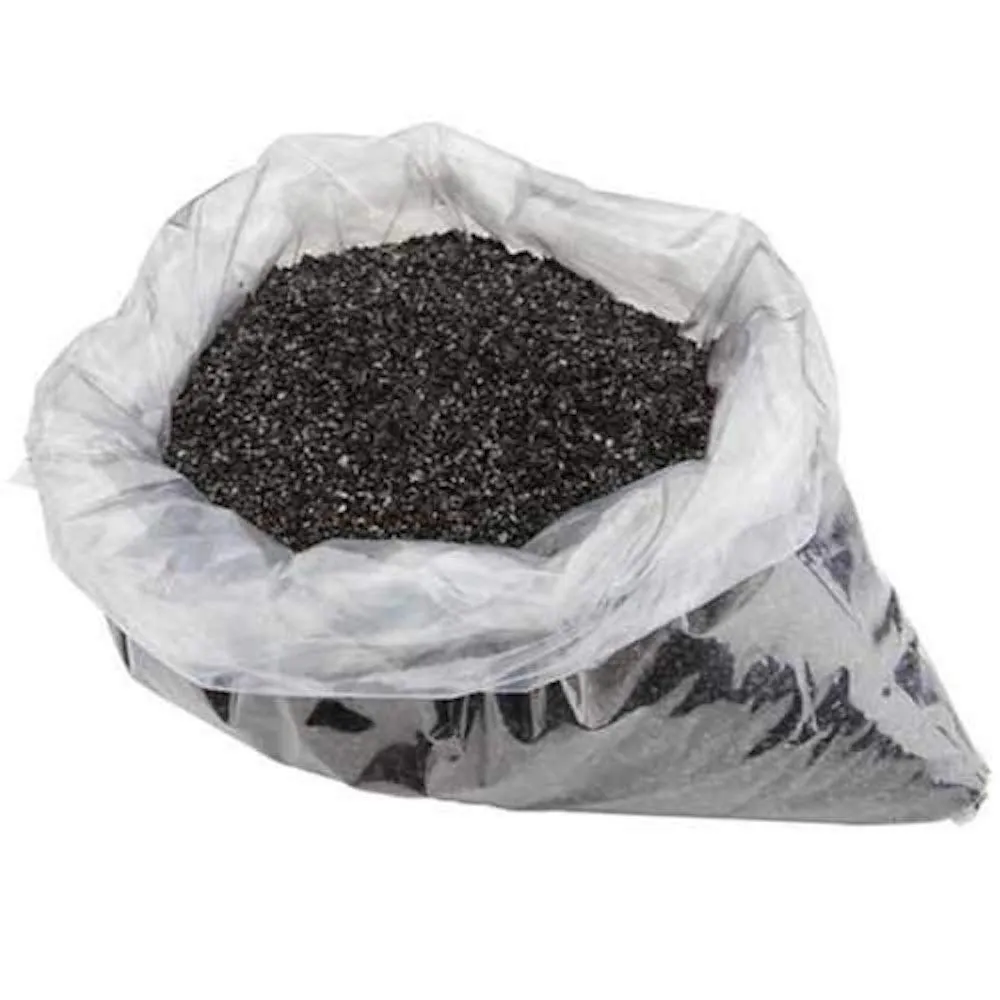
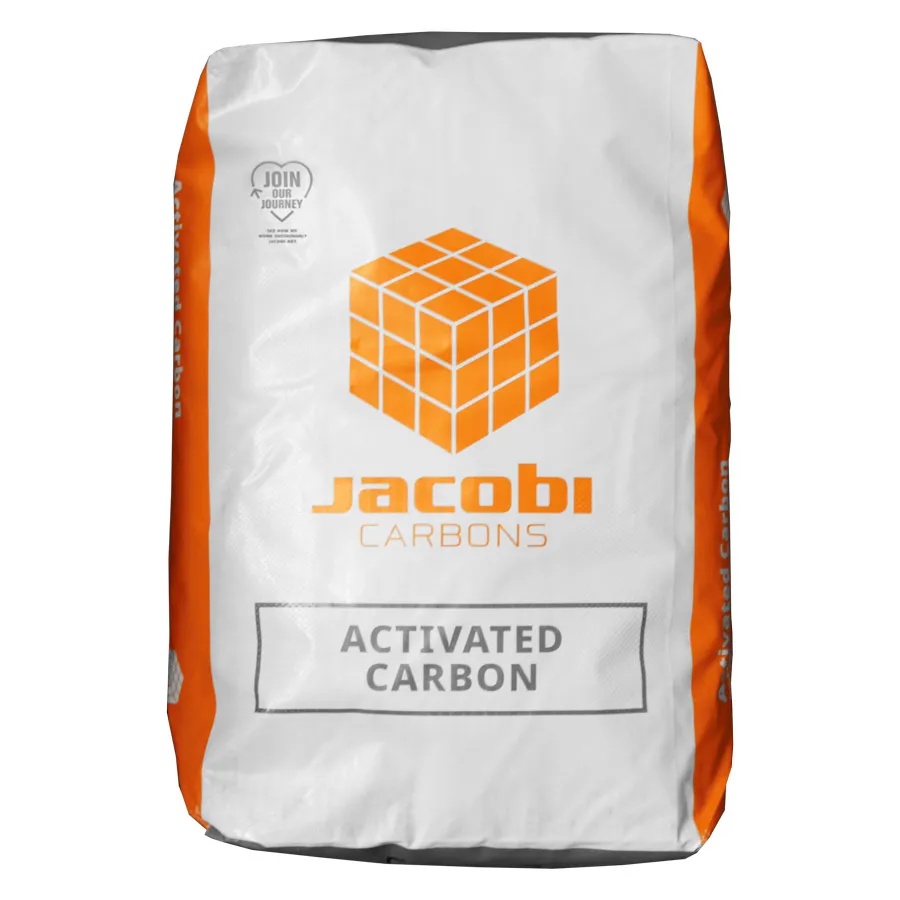
Activated carbon is a highly porous form of carbon processed to have extremely large internal surface area through treatment at high temperatures under controlled conditions.
Because of its porosity and huge surface area, activated carbon is very effective at adsorption: contaminants in water or air stick to the carbon surface (not absorbed inside) and are thus removed from the fluid.
💧 What Activated Carbon Removes / What It Does
Activated carbon is widely used in water filtration for:
Removing chlorine from tap water (improving taste and removing odor).
Removing or reducing many organic contaminants (e.g. volatile organic compounds—VOCs), disinfection by-products, some pesticides, herbicides and other chemical impurities.
Improving water taste and odor, and removing unpleasant smells or colors.
Sometimes used as a polishing stage in water treatment (after sediment filters or before final use) to ensure water clarity and quality.
✅ Why It’s Common / Advantages
Activated carbon is versatile — it works in many settings: household water filters, industrial water treatment, air filtration, wastewater treatment, etc.
It’s relatively inexpensive and widely available compared to more complex purification methods.
Provides effective improvement of water taste and odor, and removal of a broad class of organic and chemical contaminants — making water safer and more pleasant for consumption or use.
⚠️ What Activated Carbon Does Not Do (or Where It Has Limits)
Activated carbon usually does not remove dissolved inorganic salts, minerals, or heavy metals reliably. It’s mainly for organic and chemical contaminants, not for mineral content.
It cannot reliably remove microbes (bacteria, viruses) — so if water microbial contamination is a concern, a different or additional treatment (e.g. disinfection, filtration, UV) is needed.
The filtration (adsorption) capacity is finite — over time activated carbon becomes saturated with contaminants; it needs regular replacement or regeneration depending on the system.
📦 Forms & Typical Use in Water Treatment
Activated carbon is often used in granular form (GAC — granular activated carbon), which is common for water filters (household, industrial).
It can be used in a filter bed (e.g. as a layer in a multimedia filter) to adsorb contaminants as water flows through.
Many water-filtering systems use activated carbon as one of multiple stages — often after a sediment filter but before final polishing or disinfection.

Свържете се с нас
Независимо дали имате въпроси, обратна връзка или нужда от помощ, нашият екип е тук, за да помогне. Просто попълнете формуляра по-долу.
Благодарим ви, че се свързахте с нас!